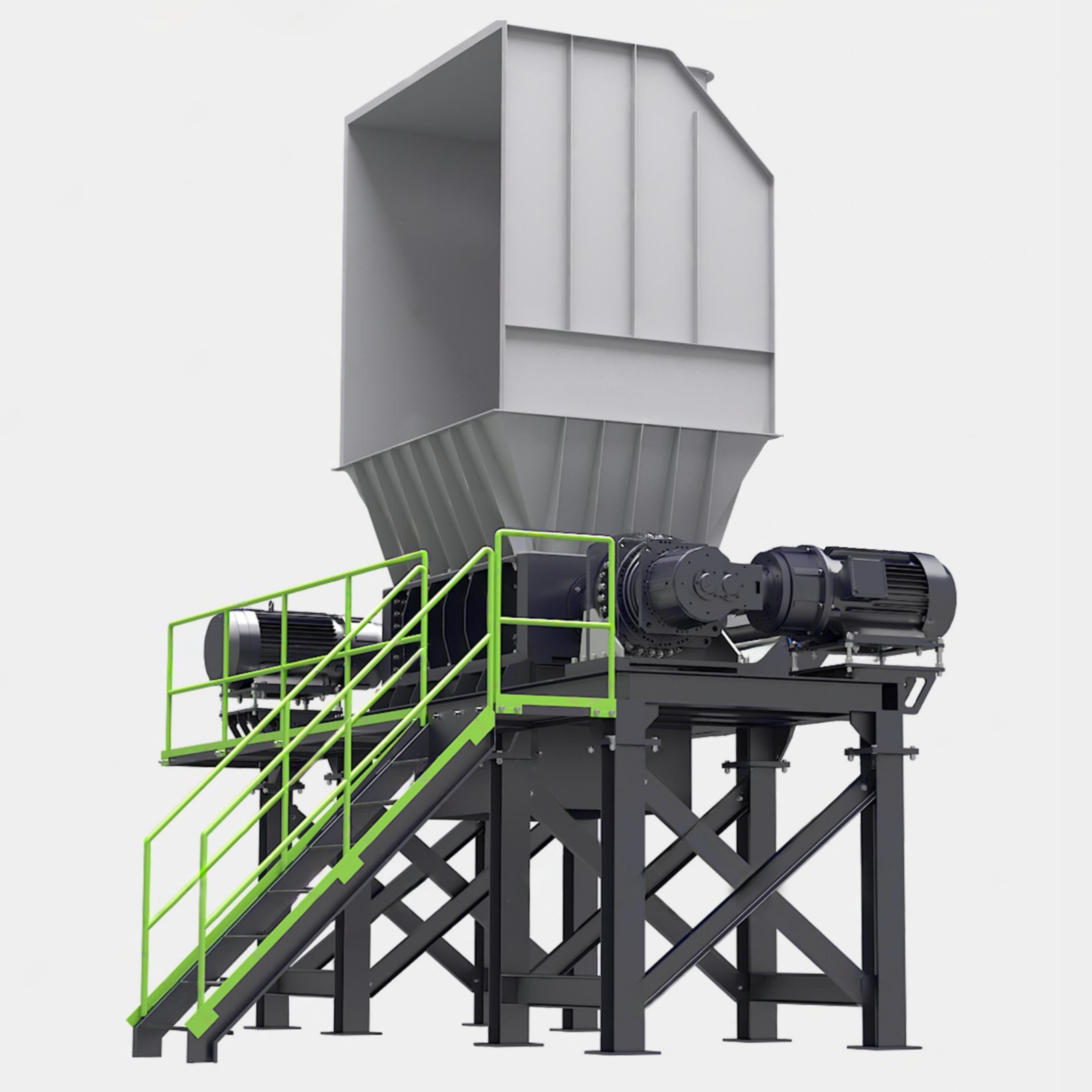
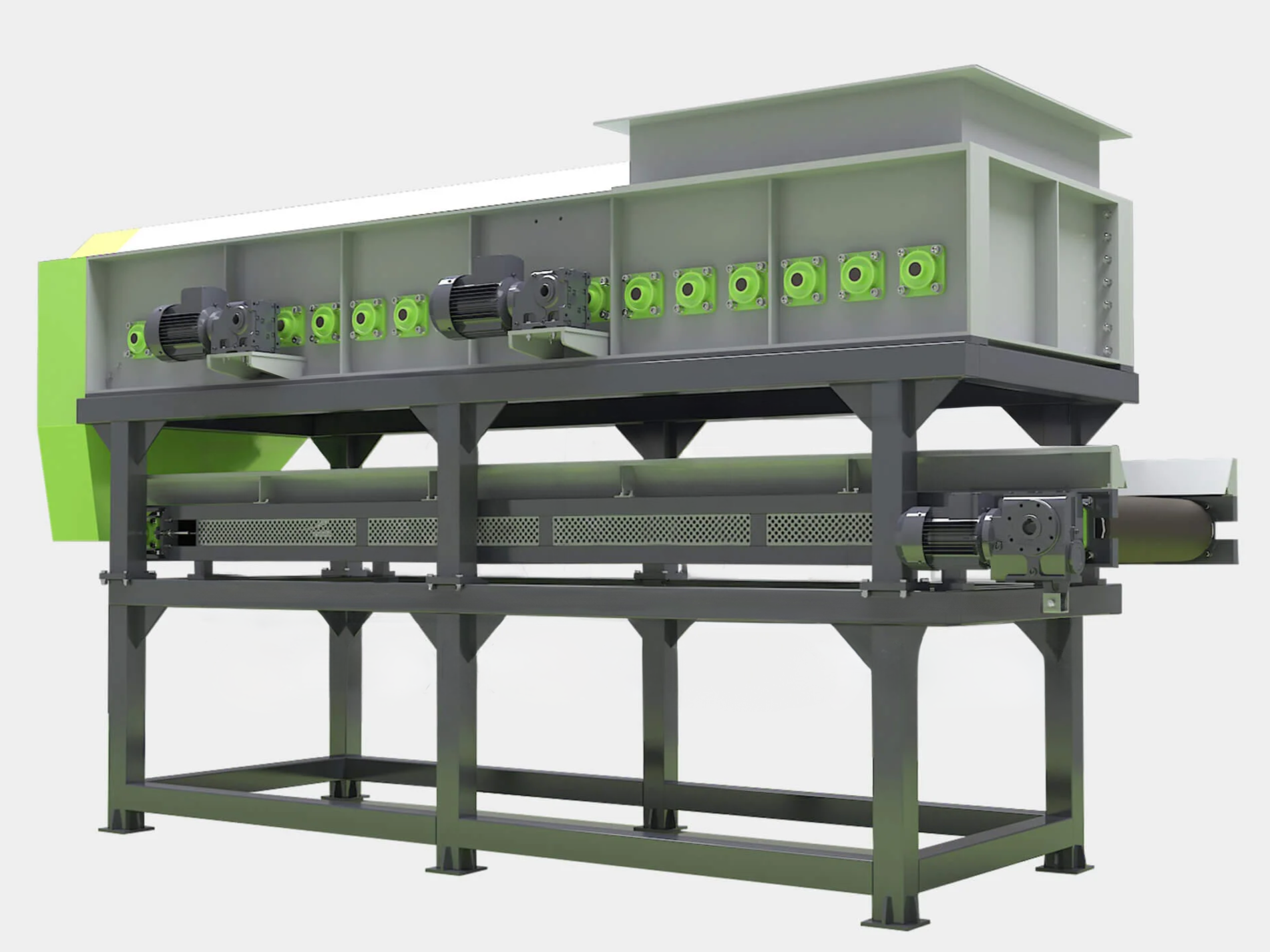
Designed for maximum durability and efficiency. The robust body ensures exceptional stability and resistance to loads.
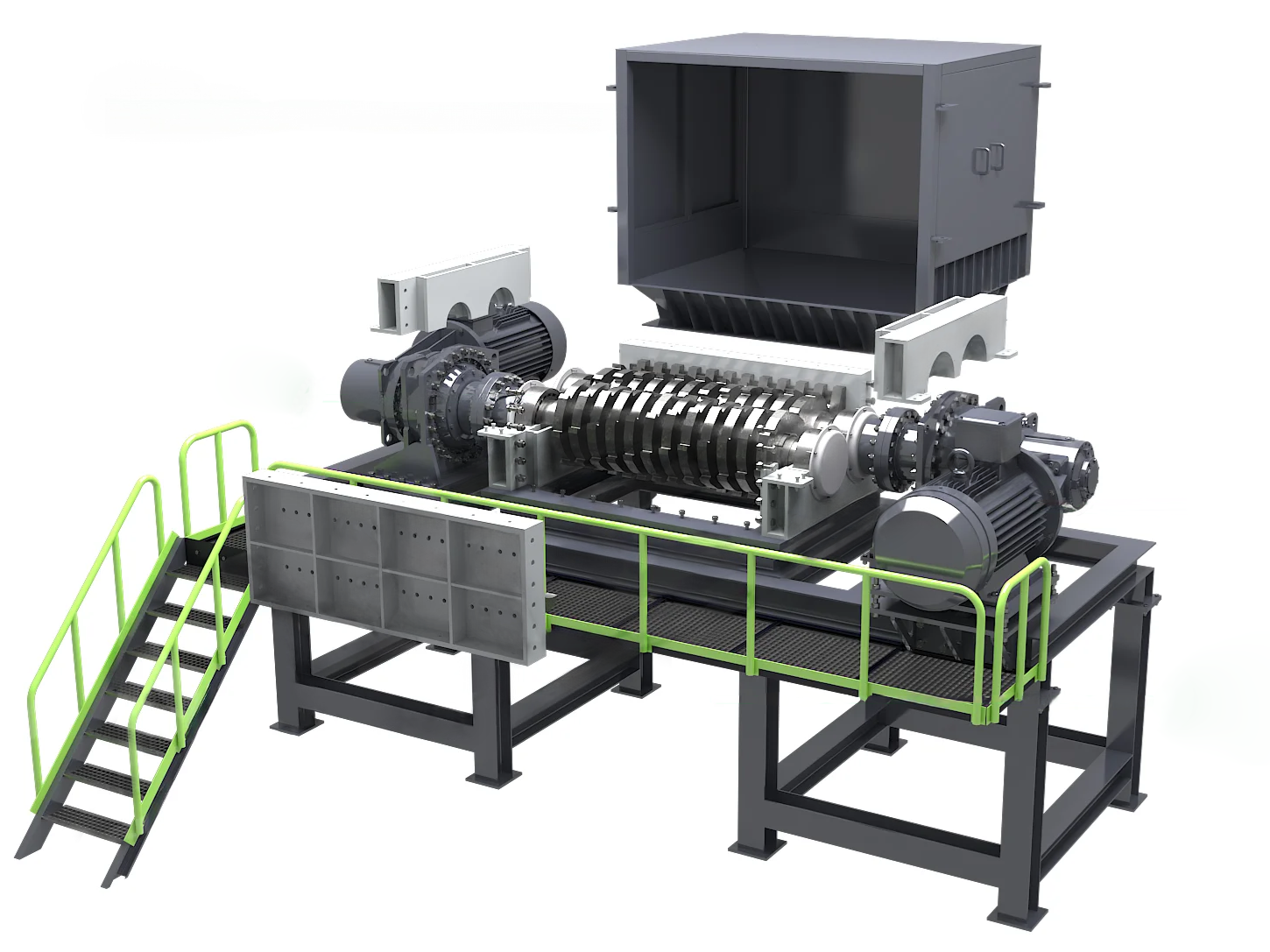
Extremely powerful drives, combined with a shredder chamber of 1600mm in length, allow for efficient processing of even the toughest materials.
Drive power
2 ×0kW
Hardness
Hardened blades (HRC 53 – 55) made of high- quality 40Cr alloy steel
Powerful
Extremely high torque planetary gear motors
Relapses
PLC-controlled reverse motion system during overload
Precision
Massive body precisely machined with a CNC milling machine
Modularity
Interchangeable cutting discs and spacers
Antivibration
Drive shaft design minimizing blade wobble during reversals
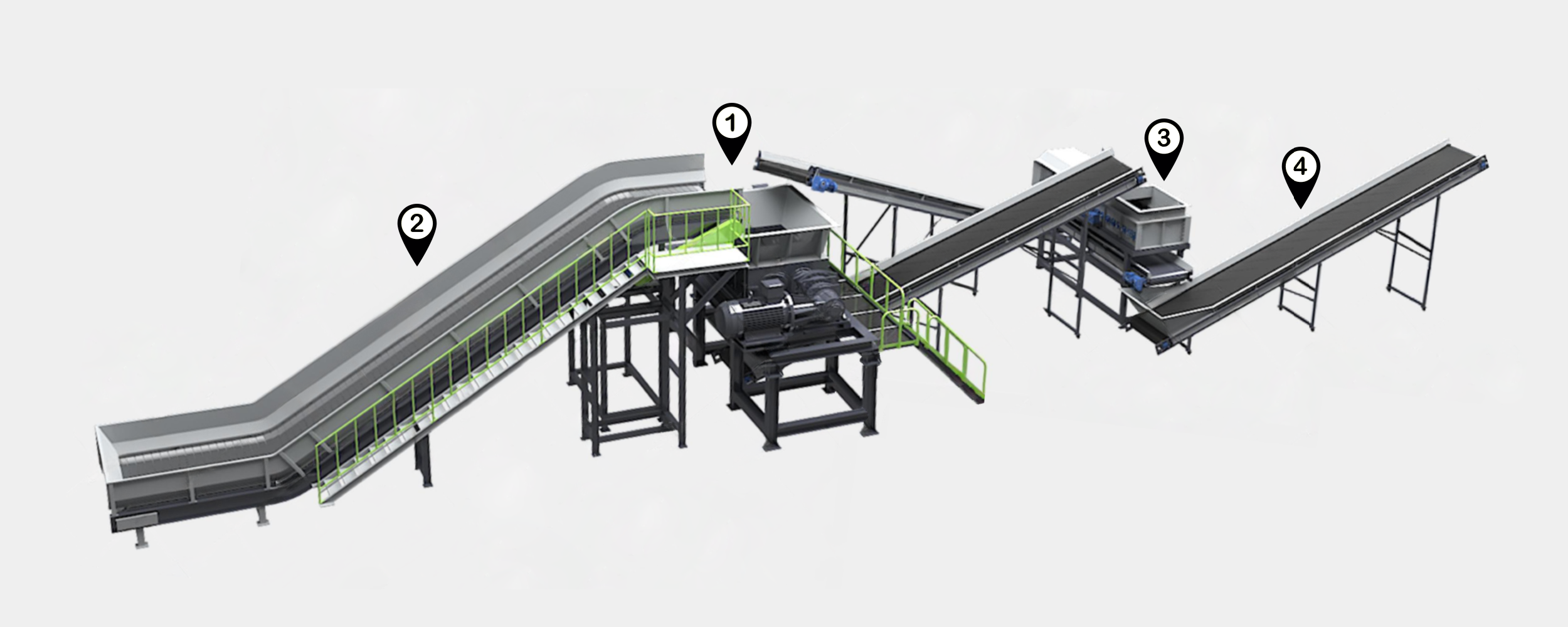
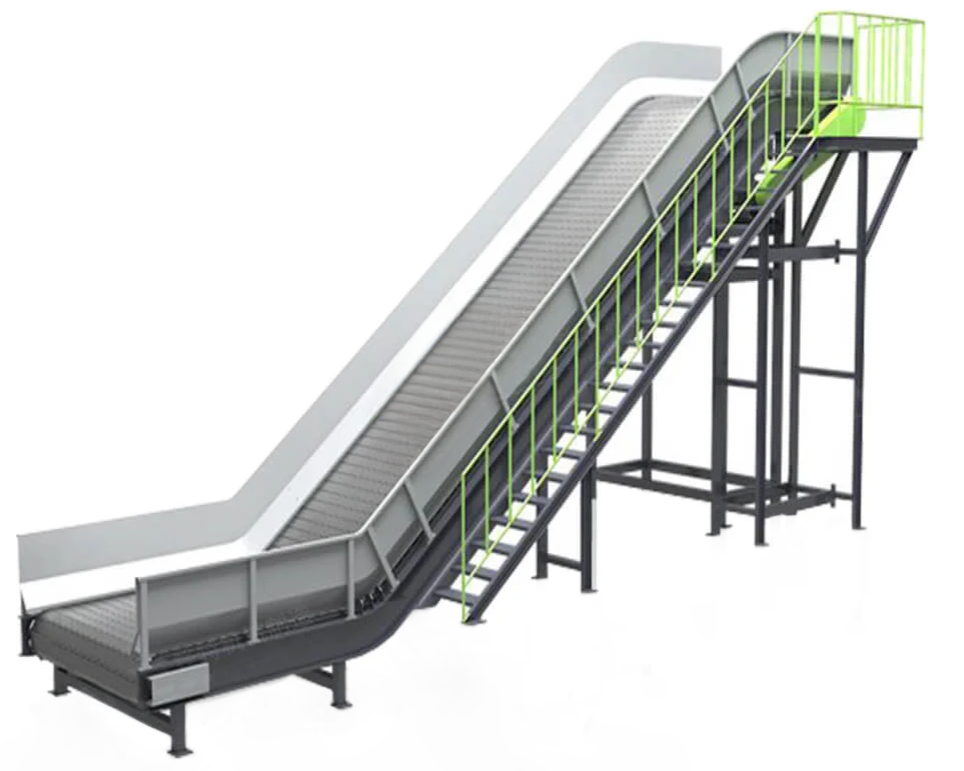
Chain Plate Conveyor
CPC — 1690
The main frame, made of H-type steel with a thickness of 300 mm, ensures exceptional structural strength.
The 5 mm thick steel chain plate is designed for quick disassembly, which increases its load capacity and facilitates maintenance.
Drive power
0kW
Disc Screener
DS — 1245
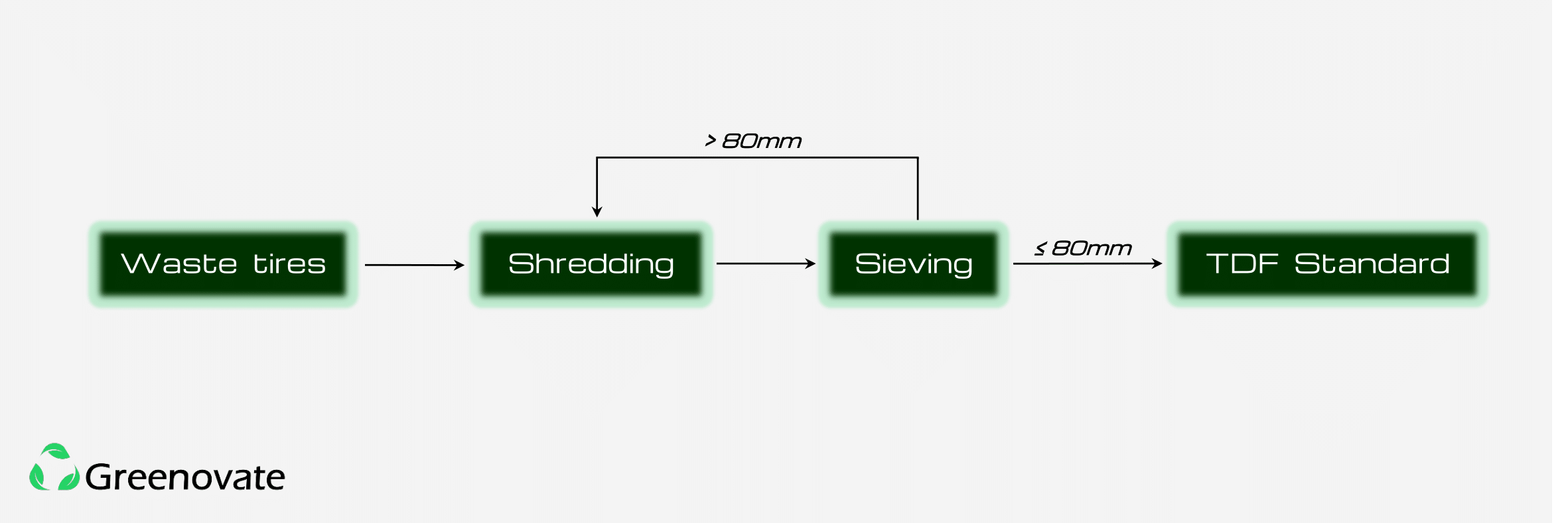
Screening of the material in the disk screener involves separating larger fractions of shredded tire pieces. The larger fragments are automatically directed to the shredder, where they are subjected to additional shredding.
A disc screener ensures the achievement of a uniform, finer granulation, which significantly improves the quality of the obtained product.
Drive power
0kW
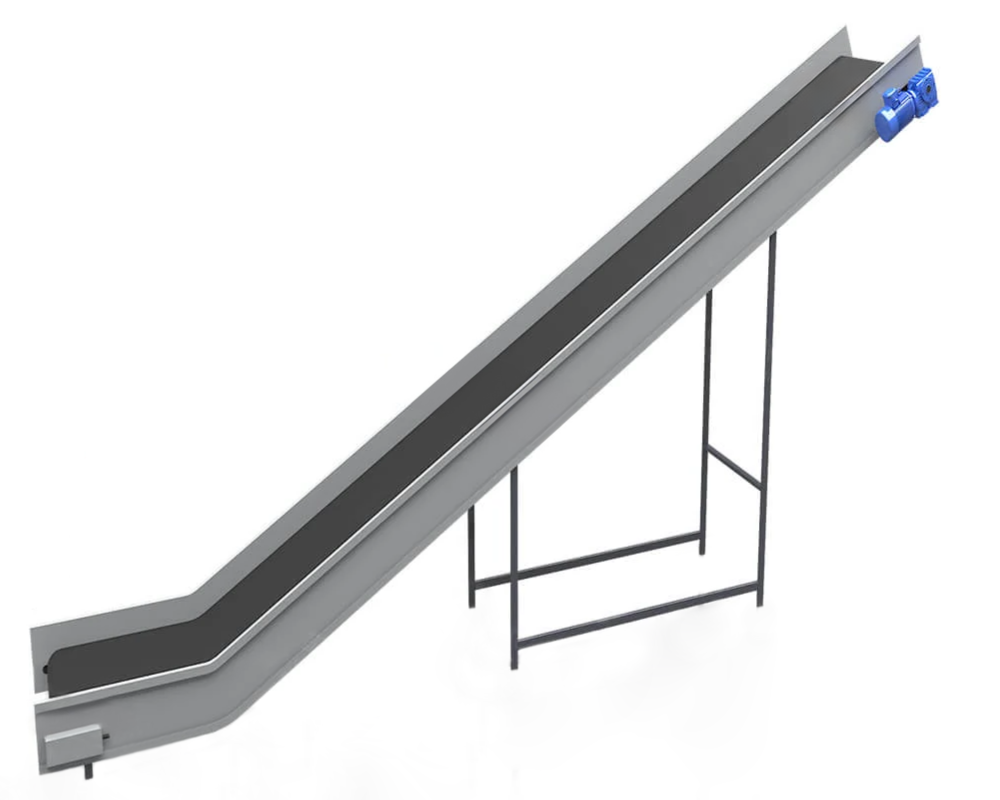
3 × Belt Conveyor
BC — 8XX
Rubber conveyor belt with a thickness of 8-10mm and chevron cleats.
Conveyor belt centering system.
Drive power
3 ×0kW
Benefits
Total energy consumption
262kW × 70% ≈ 0kW
Max. diameters of tires
0mm
Approximate TDF productivity
0kg/h
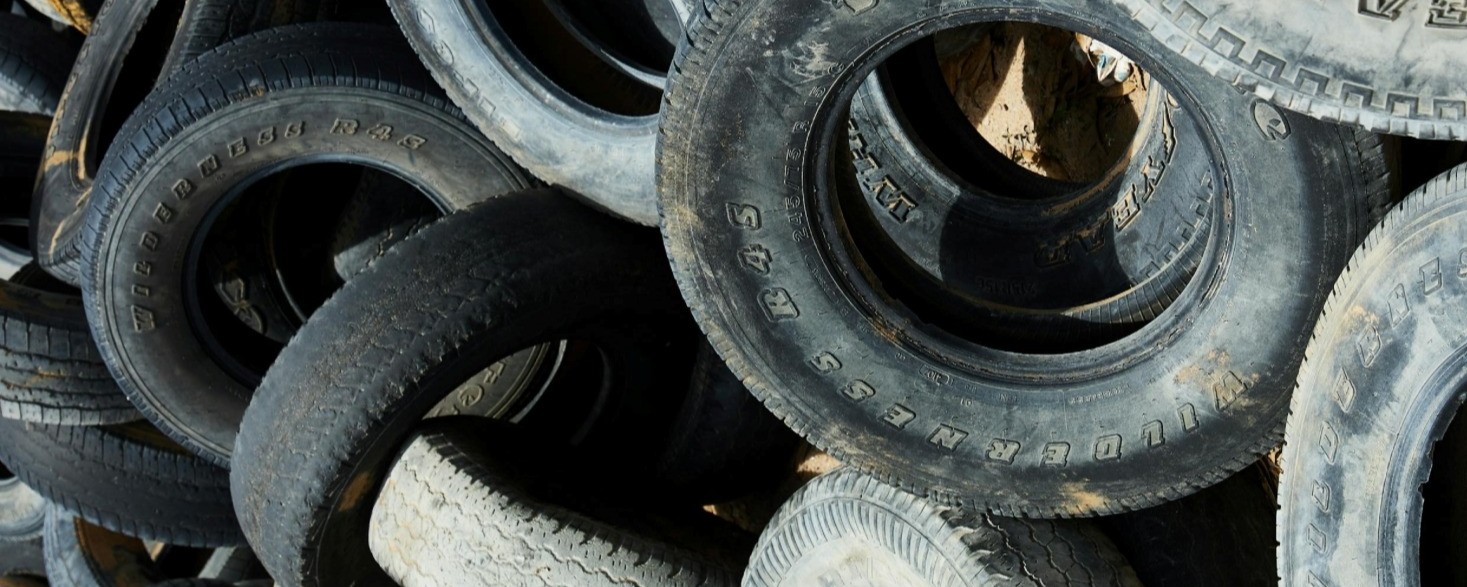
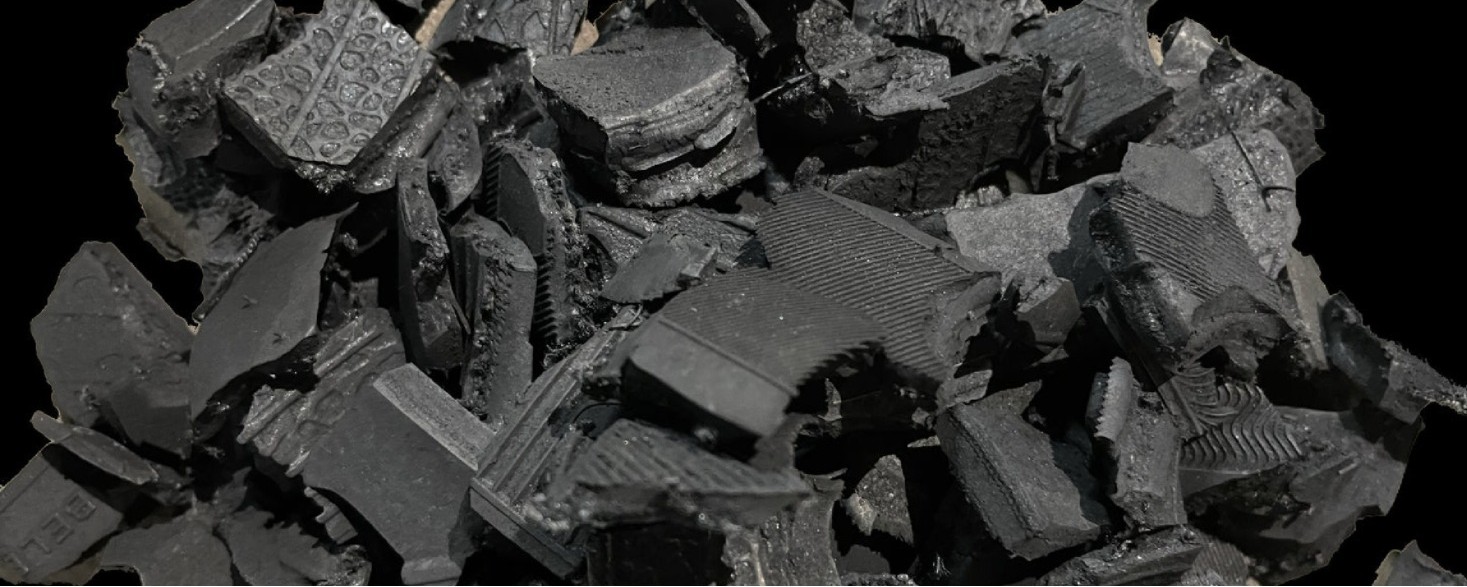
Tire-Derived Fuel (TDF)
Shredded used tires (TDF) in the form of chips are used as supplementary fuel, primarily alongside coal and wood. Over the years, more and more combustion plants have begun to recognize the potential of TDF as an alternative fuel—not only due to its high energy value but also because of its lower cost and environmental benefits.
The controlled combustion of TDF results in lower greenhouse gas emissions per 1 MJ of energy compared to coal combustion. Additionally, TDF has significantly lower moisture content, which enhances the combustion process.
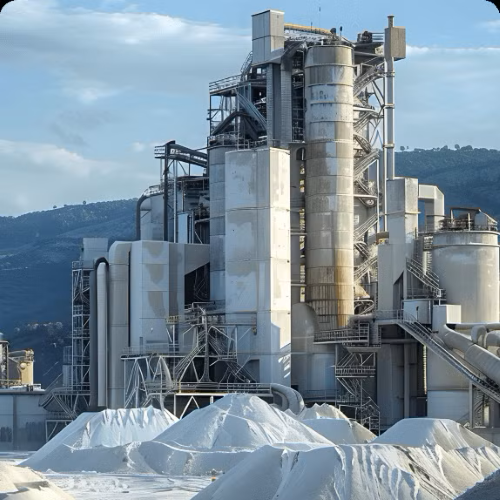
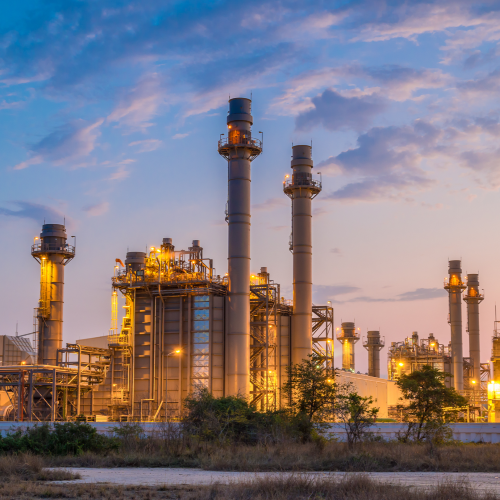
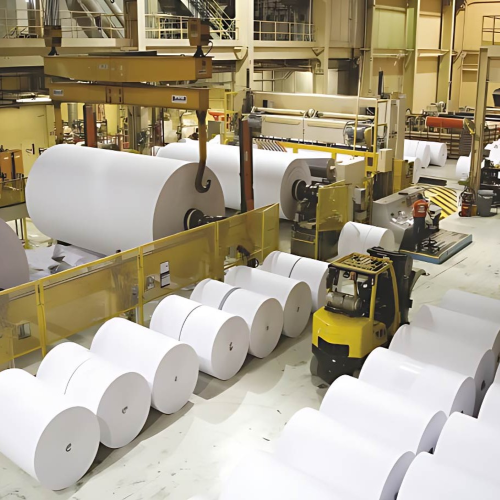
Its high calorific value makes TDF an excellent alternative fuel for energy-intensive industries where advanced exhaust gas filtration systems are used: